
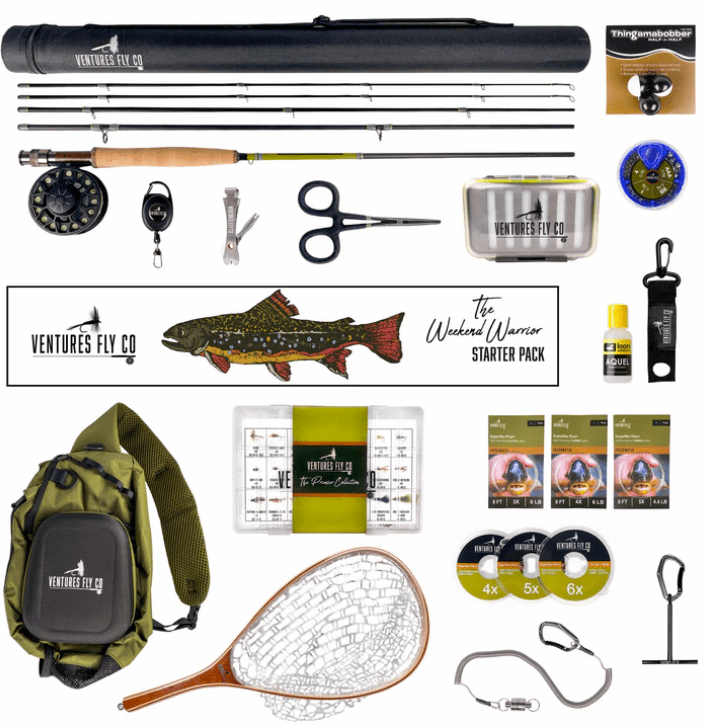
Beginner anglers often face challenges when starting their fishing journey. Investing in the right accessories can greatly enhance their experience.
Key items, such as a dependable fishing rod and reel combo, along with a well-organized tackle box, are essential for success.
However, safety gear and proper clothing also play vital roles. Understanding these components can make a difference. What other accessories should every novice consider? The answers may surprise them.
When beginners commence their fishing journey, selecting the right fishing rod and reel combo is vital for a successful experience.
A well-matched combo enhances casting accuracy and overall enjoyment. Various types of rods, such as spinning and baitcasting, cater to different fishing techniques and environments. Beginners often benefit from spinning rods, which are user-friendly and versatile.
Pairing the rod with a suitable reel guarantees smooth retrieval and ease of use. It is important to take into account factors such as rod length, material, and line weight capacity. Making an informed choice sets the foundation for a rewarding and engaging fishing adventure.
A well-organized tackle box serves as the backbone of any successful fishing trip. For beginners, investing in a tackle box is essential for keeping gear accessible and manageable.
With various compartments and trays, a tackle box allows for efficient organization of lures, lines, and tools. This not only saves time during preparation but also minimizes frustration on the water.
Different sizes and designs cater to individual needs, whether for freshwater or saltwater fishing. By maintaining an orderly tackle box, beginners can enhance their fishing experience, ensuring they are well-equipped and ready for any situation that may arise.
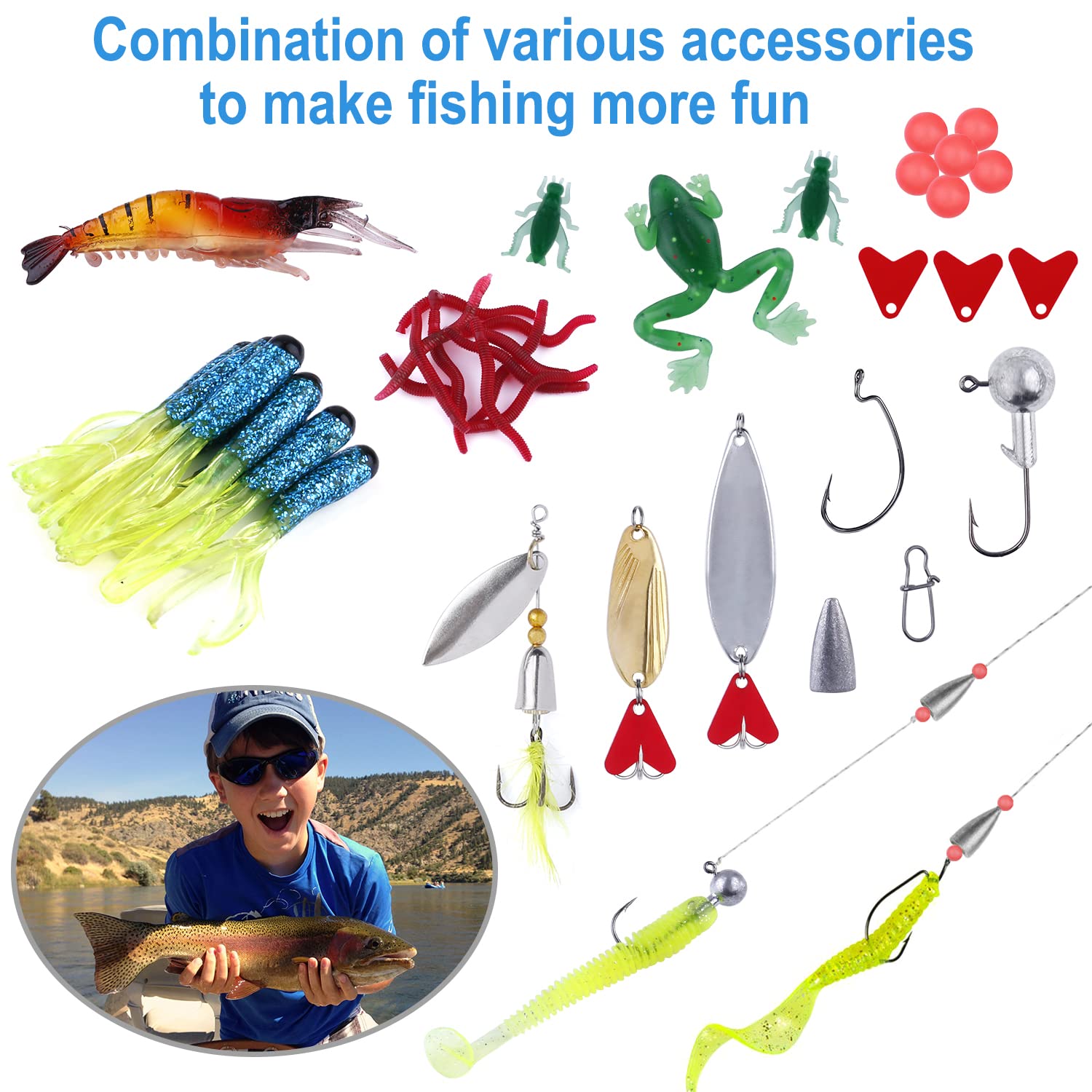
Essential fishing tackle forms the foundation of a successful angling experience. Beginners should invest in a variety of lures, including spinnerbaits, soft plastics, and jigs, as they cater to different species and water conditions.
Hooks, available in various sizes and styles, are vital for securing catches. Weights and sinkers help achieve the desired depth while bobbers or floats assist in detecting bites.
Additionally, a sturdy tackle box is essential for organization. Assembling a well-rounded tackle kit allows novices to adapt to diverse fishing environments and enhances their chances of a rewarding fishing outing.
Selecting the right fishing line is essential for beginners aiming to enhance their angling success. The three main types of fishing lines-monofilament, fluorocarbon, and braided-each offer unique advantages.
Monofilament lines are user-friendly and versatile, making them ideal for novice anglers. Fluorocarbon lines provide superior invisibility underwater, which is beneficial for cautious fish.
Braided lines are known for their strength and sensitivity, allowing for effective catch detection. Beginners should consider factors such as line strength, diameter, and fishing conditions when making their selection. Ultimately, the right fishing line can greatly impact a beginner's fishing experience and success rates.
Safety gear and accessories play an essential role in ensuring a secure and enjoyable fishing experience for beginners. A personal flotation device (PFD) is vital, providing buoyancy and preventing drowning in unexpected situations.
Additionally, a first aid kit helps address minor injuries, ensuring quick responses to cuts or insect bites. A whistle or signaling device enhances communication, especially in remote areas.
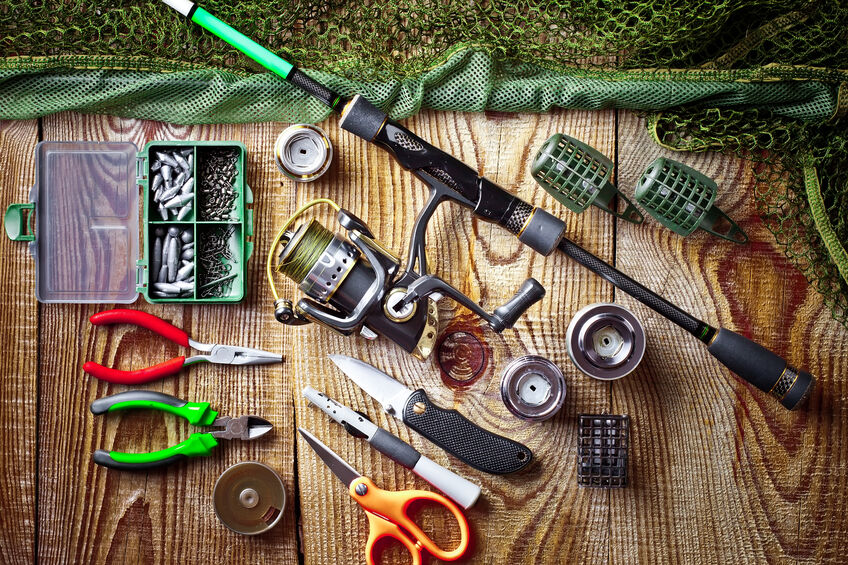
It's also wise to have a multi-tool for quick adjustments and repairs. Finally, a fishing knife is invaluable for handling lines and cleaning fish. By investing in these safety items, beginners can focus on their fishing experience with peace of mind.
Proper clothing and sun protection are essential for beginners venturing into fishing. Lightweight, breathable fabrics help regulate body temperature and wick away moisture. Long-sleeved shirts and pants provide coverage against sunburn and insect bites.
Additionally, investing in UV-protective clothing can offer extra defense against harmful rays. A wide-brimmed hat and polarized sunglasses further shield the face and eyes, enhancing visibility on the water. Waterproof footwear is vital for maintaining comfort and stability.
By prioritizing appropriate clothing and sun protection, novice anglers can enjoy their fishing experience while safeguarding their health against the elements.
Weather conditions greatly impact fishing success. Sunny days often lead to clearer waters, prompting fish to seek cover, while overcast skies can encourage them to roam freely. Wind can disturb surface activity, affecting bait visibility and fish behavior. Additionally, temperature fluctuations influence fish metabolism and feeding patterns. Rain can also enhance fishing by oxygenating water and stirring up food sources. Understanding these elements helps anglers plan effectively for better fishing outcomes.
To choose the right fishing line, one should consider factors such as the type of fishing, target species, and fishing environment. Monofilament lines are versatile, while braided lines offer strength and sensitivity. Fluorocarbon lines are less visible underwater and work well for clear waters. Additionally, the line's pound test should match the fish size. Evaluating these elements guarantees the angler selects a line that enhances their fishing experience effectively.
Yes, acquiring a fishing license is vital for anyone intending to fish legally. Regulations vary by location, so it is important to check local laws regarding licensing requirements. Typically, licenses help manage fish populations and guarantee sustainable practices. Beginners should research the specific type of fishing they plan to pursue, as different methods may have distinct licensing needs. Ultimately, obtaining a fishing license is a responsible step for any aspiring angler.